

I’ve been thinking about this a lot lately: why is it so hard to follow through on the things I know I should be doing? It’s not just the usual stuff like working out or going to bed earlier (but that too), it’s the real projects that I actually care about. The ones that matter for my future, my career, and even my community.
Yet, for some reason, I just… don’t.
Like this blog.
I know that writing regularly would help me sharpen my thoughts, build my personal brand, and share the ideas I spend so much time thinking about. I actually enjoy writing…when I sit down to do it. But after posting two blog articles a couple months ago, I kind of just… stopped. I kept telling myself I’d write again when inspiration struck. Spoiler alert: that doesn’t really work (oops).
And it’s not just about the blog. There’s a project I’ve wanted to start forever, something that genuinely excites me and aligns with everything I want to do in the future. It’s not even that hard to start. I have the ideas, the skills, and the motivation to do it. And still, I find myself pushing it off.
Recently, I revisited one of my favorite collections of essays—101 Essays That Will Change the Way You Think—for the third time. It’s a collection of reflections on self-awareness, emotional intelligence, purpose, and the subconscious patterns that shape our lives, written by Brianna Wiest. The essays dive into everything from breaking toxic thought cycles to embracing discomfort as a tool for growth. It’s one of those books that doesn’t get old for me. Every time I read it, I’m in a different phase of life, and the essays hit differently depending on what’s going on. This time, Essay #12: “The Knowing-Doing Gap: Why We Avoid Doing What’s Best for Us, and How to Conquer Resistance for Good” stood out to me. It dove into resistance: the idea that the more important something is to us, the more we’ll find ways to avoid it.
It was a gut punch. It described exactly what I’ve been struggling with: knowing what to do, but not actually doing it.
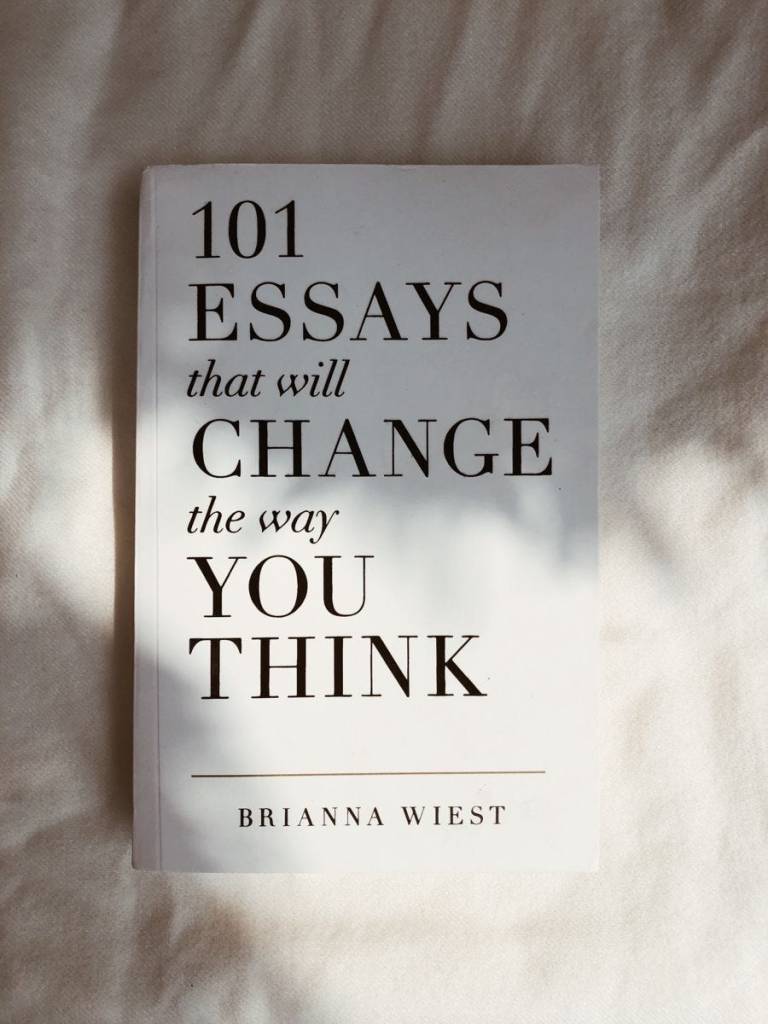
Here’s the book if you happen to want to read it (read it it’s so good…I put a list of my favorite essays at the end of this).
Why Do We Do This?
Most people probably think it’s just procrastination, but I think it’s more than that. According to the essay, there’s a name for it: The Knowing-Doing Gap. It’s the frustrating disconnect between what we know we should do and what we actually do.
It’s not that I don’t have the knowledge or resources. I do. But actually taking action feels harder than it should. Our brains love comfort, and even something good can feel like a risk. Plus, there’s this perfectionism thing. The more I care about something, the more pressure I put on doing it perfectly. And that often means I just don’t do it at all.
Then there’s the illusion of motivation. We think we need to feel motivated before we start. But here’s the thing: motivation is a flake. It’s like that friend who says they’ll show up to hang out, then cancels last minute. If I wait until I feel “ready” to start, I’ll be waiting forever.
How to Actually Do the Things You Know You Should Do
So, how do we get out of our own way? Here’s things I’ll be doing:
Shrink the task until it’s impossible to resist.
Big tasks always feel overwhelming, so I need to break them down into smaller, more manageable steps. Want to work out? Just put on my shoes. Want to write? Open the doc and type one sentence. I don’t need to tackle the whole mountain, just take the first step.
Make it a rule, not a decision.
If I leave things up to how I feel in the moment, I’ll always pick comfort. Instead, I need to create non-negotiables. “I move my body for five minutes every day.” “I write for 10 minutes before bed.” No debates. No loopholes. Just do it.
Let go of perfection.
A bad workout is still better than no workout. A messy first draft is still progress. Waiting until I can do something perfectly is just a sneaky way of procrastinating.
Tell someone about my goals.
Accountability works wonders, so I always share my goals and progress with my best friend. It’ll give me that extra nudge to stay on track and make me feel more responsible for following through. I don’t want to let them (or myself) down.
Recognize that time is fleeting.
Time moves faster than I realize. I don’t want to look back in a year and wish I had started today (because, trust me, that already happens). Keeping that in mind will push me through resistance and help me make the most of the time I have now.
Consider the alternative.
This ties into the last point, but instead of focusing on the discomfort of action, think about the discomfort of inaction. Wiest talks about this in the essay, but…what happens if I never start? If I waste another year thinking about what I could do instead of actually doing it? That’s WAY scarier honestly. I’d rather face the regret of trying and failing than the regret of never trying at all.
The Only Thing That Matters Is What You Do
At the end of the day, life isn’t about what I know, it’s about what I do. I’ll never feel fully ready. I’ll never magically wake up one day transformed into a super-disciplined, highly motivated person.
But I don’t need to be that person. I just need to take action. One tiny step at a time. Because once I start, I’ll realize it was never as hard as I made it out to be.
My favorite essays from the collection (right now):
- 4 – How the People We Once Loved Become Strangers Again
- 12 – The Knowing-Doing Gap: Why We Avoid Doing What’s Best for Us, and How to Conquer Resistance for Good
- 13 – 101 Things More Worth Thinking About Than Whatever’s Consuming You
- 28 – 16 Questions That Will Show You Who You Are (and What You’re Meant to Do)
- 43 – How to Measure a Good Life
- 50 – 50 People on the Most Liberating Thought They’ve Ever Had
- 75 – You Are a Book of Stories, Not a Novel
- 82 – 15 Little Ways to Deepen Your Relationship with Anyone
- 86 – Not Everybody Will Love You in a Way You Understand
See you soon!
Riva

 the riva gallery